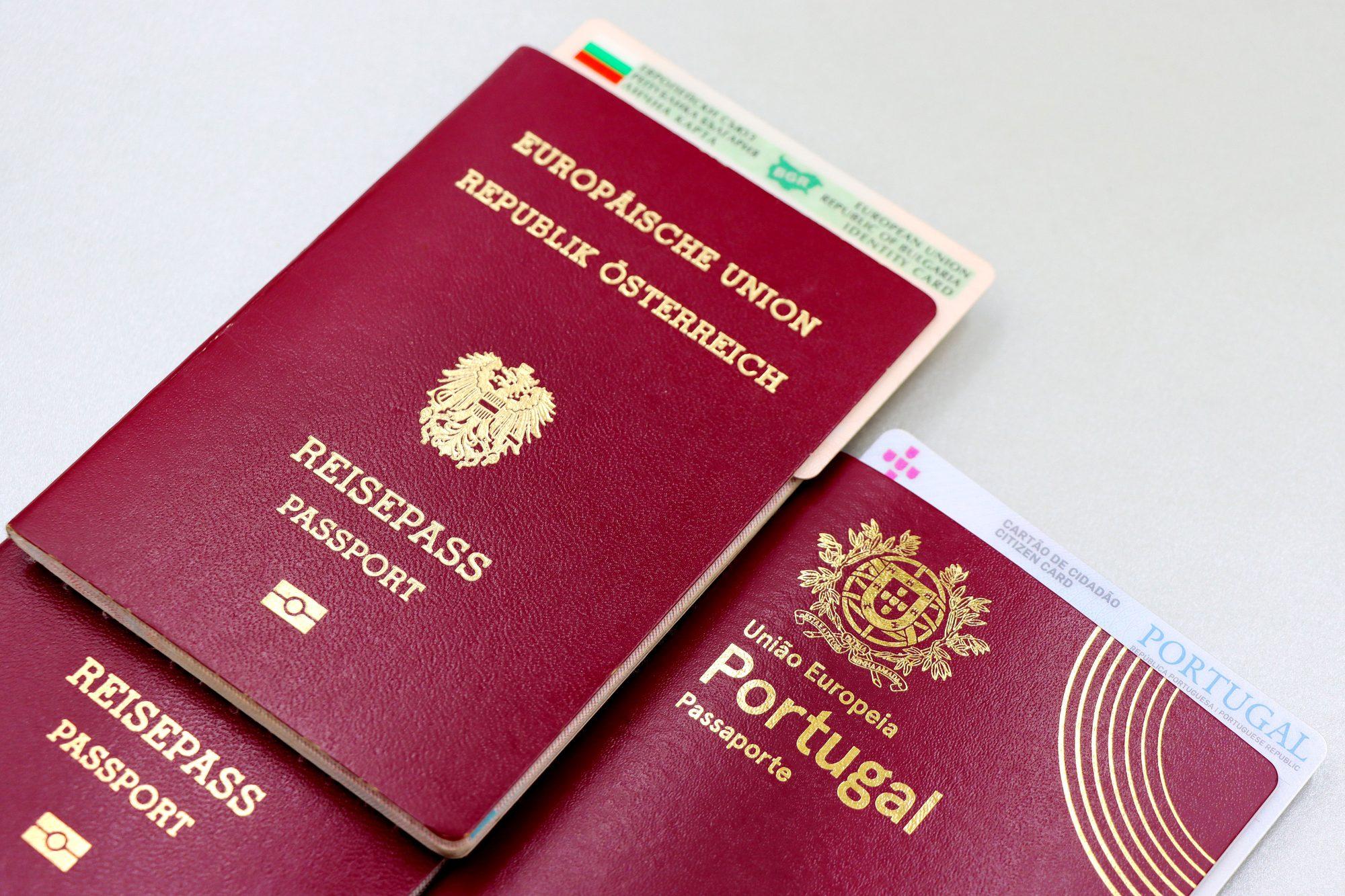

As a rule, yes: most countries recognise a civil marriage validly concluded in Denmark, without you having to marry again. Two things differ: whether you have to register the marriage in your home country, and which form of the Danish certificate the authorities there accept. This overview shows both for 20 countries, each with an official source (as of 6 November 2026).
The principle: is the marriage valid at home too?
Almost all legal systems separate two questions. The form of the ceremony follows the law of the place where you marry, in your case Danish law. The requirements, such as age or whether someone is still married, are assessed by each country under its own law; in Germany under the law of nationality (Art. 13 EGBGB), in England under the law of domicile (FCDO: Informative Note Marriage). Because Familieretshuset, the Danish Agency of Family Law, checks these requirements before the wedding, a Danish marriage is unproblematic in most countries.
For you, this means keeping three questions apart:
- Is the marriage valid? In the countries in this overview, as a rule yes, with exceptions for same-sex marriages and for religious conditions.
- Must or can it be registered? Some countries require it, in Germany it is optional, in the UK it is not possible at all.
- Which certificate does the authority need? The international marriage certificate, with or without an apostille, often with a translation.
If a marriage is valid in one country but not in another, it is called a limping marriage. If recognition in a particular country matters to you, for example because you want to live there later, clarify it with the consulate before the wedding.
Which certificate do you need: international, with apostille or legalised?
Straight after the ceremony you receive two international marriage certificates with all details in Danish, German, English, French and Spanish. Which form a country requires depends on where it stands:
| Country | What the certificate needs |
|---|---|
| EU member state | no apostille: Regulation (EU) 2016/1191 exempts public documents of one EU state from it in the other EU states (e-Justice: Public documents) |
| Switzerland | according to the Swiss mission's information sheet, no apostille, but the original, no more than 6 months old |
| State party to the Hague Apostille Convention outside the EU | apostille from the Danish Ministry of Foreign Affairs, DKK 250, about 5 to 7 working days (Udenrigsministeriet: Marriage certificates) |
| State outside the Convention, e.g. Egypt | legalisation: first the Danish Ministry of Foreign Affairs, then that country's embassy in Copenhagen |
Whether a country is a party to the Convention is shown in the status table of the Hague Conference. Often you also need a certified translation into the national language, for example into Polish, Italian or Turkish. How the apostille works is explained in our guide apostille on the Danish marriage certificate.
The 20 countries at a glance
| Country | Is the marriage valid? | Registration at home | Certificate |
|---|---|---|---|
| Germany | as a rule, yes | optional (Nachbeurkundung) | international, without apostille |
| Austria | yes | mandatory: Zentrales Personenstandsregister | international, without apostille |
| Switzerland | after review | report via the Swiss mission, entry in Infostar | original, max. 6 months old |
| United Kingdom | yes, if lawful and permitted under UK law | not possible | Danish certificate (includes English) |
| Ireland | yes, if entered in the Danish register | usually not | Danish certificate |
| USA | as a rule, yes | not needed | Danish certificate, apostille advisable |
| Canada | as a rule, yes | not needed | Danish certificate |
| Australia | as a rule, yes | not provided for | Danish certificate |
| Poland | as a rule, yes | transcription, needed for ID card, PESEL and civil status matters | original, translation or standard form |
| Spain | yes, fully effective once registered | mandatory: Registro Civil via the consulate | see below |
| Italy | as a rule, yes | mandatory: transfer to the municipality (trascrizione) | original with Italian translation |
| Ukraine | yes, with apostille | clarify with the consulate depending on the purpose | apostille and Ukrainian translation |
| Russia | yes, with apostille | no procedure provided for | apostille |
| Philippines | as a rule, yes | mandatory: Report of Marriage within 1 year | apostille |
| Vietnam | for the authorities, after registration | ghi chú kết hôn at the embassy or the commune | apostille and Vietnamese translation |
| India | certificate accepted for passport services | no obligation found | for passport services, a copy of the certificate |
| Turkey | yes, if permitted under Turkish law | mandatory within 30 days | clarify with the consulate |
| Brazil | yes | mandatory: consulate, then Cartório in Brazil | without apostille, according to the embassy in Copenhagen |
| Morocco | to be assessed under Moroccan law | clarify with the consulate | apostille |
| Egypt | clarify with the consulate | clarify with the consulate | legalisation |
Germany, Austria and Switzerland
In Germany, the Danish marriage is as a rule recognised without a separate procedure; registration in the German marriage register is optional. Austria requires registration in the Zentrales Personenstandsregister, its central civil status register (oesterreich.gv.at). In Switzerland the marriage is not automatically valid: you report it through the Regional Consular Centre in Stockholm, then the canton reviews it and enters it in the Infostar register (information sheet of the Swiss mission). All the steps are in our guides for Germany, Austria and Switzerland.
The UK and Ireland
The British government recognises a foreign marriage if it was lawful in the country where it took place and would be permitted under UK law. Only marriages concluded in the UK are registered there; there is no British certificate for a marriage abroad (GOV.UK: Getting your marriage certificate). More in our guide marrying a British partner. Ireland recognises a marriage from abroad if it is entered in the civil register of the country where it took place and the formal requirements were met; the Irish central register does not deal with marriages from abroad, and the foreign certificate is usually accepted (Citizens Information: Getting married abroad).
USA, Canada and Australia
For US immigration, what counts is a marriage that is valid where it took place (USCIS Policy Manual); you do not have to register it with any US authority, and for questions about its validity in a particular state, the US Embassy refers you to that state's Attorney General (U.S. Embassy London). Canada states that marriages lawfully concluded abroad are generally valid and do not need to be registered (Government of Canada: Marriage overseas); for sponsorship, the marriage must be valid under the law of the place where it took place and under Canadian law, and it is up to the applicants to prove this (IRCC: Legality of a marriage). Australia generally recognises marriages from abroad if they are valid there and would also be valid in Australia; registration is not provided for (Australian High Commission London). Details on the USA are in our guide marrying a US partner.
Poland, Spain and Italy
Poland: Transfer into the Polish register (transkrypcja) is needed as soon as you apply for a Polish ID card or deal with a PESEL matter or other civil status matters. You can do this at the consulate or directly at a registry office in Poland. The embassy in Copenhagen requires the original Danish certificate and does not accept printouts from E-boks, the Danish digital mailbox; it also needs a sworn translation or the multilingual standard form (Embassy in Copenhagen, Embassy in Berlin).
Spain: The marriage must be entered in the Spanish civil register. Responsible is the consulate at the embassy in Copenhagen for marriages from Denmark, or the Registro Civil of your place of residence if you both live in Spain; both of you appear in person, and registration is free of charge (Embajada de España en Copenhague). The page asks for foreign documents to be legalised or apostilled, although EU Regulation 2016/1191 exempts Danish civil status documents from this; ask beforehand what the consulate accepts.
Italy: Marriages from abroad are sent for transcription to the municipality of residence or of AIRE registration (the register of Italians resident abroad), either via the consulate or directly at the municipality. The embassy in Copenhagen requires the Danish certificate with an Italian translation, on its own form or by an authorised translator (Ambasciata d'Italia a Copenaghen).
Ukraine and Russia
Both countries recognise foreign civil status documents if they are legalised, unless a treaty provides otherwise; the Apostille Convention applies between Denmark and both states. For Ukraine this means: the Danish certificate with an apostille and a certified Ukrainian translation (Diia: Державна реєстрація шлюбу). For Russia, the consular department of the Ministry of Foreign Affairs states the same rule (kdmid.ru: Frequently asked questions); we have not found a separate registration procedure there for marriages from abroad. More in our guides Ukraine and Russia and Belarus.
The Philippines, Vietnam and India
Philippines: The marriage is reported with the Report of Marriage within one year, otherwise as a delayed report. The embassy in Berlin only accepts marriages from its own consular district (Philippine Embassy Berlin: Report of Marriage); for a Danish marriage, the embassy in Copenhagen is responsible, and it requires the certificate with an apostille. Vietnam: The Vietnamese partner has the marriage registered (ghi chú kết hôn): when living abroad, at the embassy in the country of residence; in Vietnam, since July 2025, at the People's Committee of the commune (Hà Tĩnh provincial portal), with an apostille and a Vietnamese translation. India: The official pages we checked do not mention any obligation to register; to add the spouse to an Indian passport, the embassy in Berlin requires a copy of the marriage certificate and of the spouse's passport (Indian Embassy Berlin: checklist). The details are in our guides Philippines, Vietnam and India.
Turkey
A marriage that Turkish citizens conclude before foreign authorities is valid under Turkish law if it complies with the Turkish Civil Code, and it is reported to the Turkish mission within 30 days; the Consulate General in Berlin states one month from the wedding (Consulate General Berlin: Bilgi notu). Clarify before you travel which form of the Danish certificate the consulate accepts; details in our guide marrying a partner from Turkey.
Brazil
A marriage concluded before a foreign authority is valid in Brazil. It is registered at a Brazilian consular office and then transcribed at the Cartório do 1º Ofício of your place of residence in Brazil or in the Federal District (gov.br: Registrar casamento no exterior). The embassy in Copenhagen states that Danish marriage certificates do not need an apostille for this and that only the Brazilian spouse has to appear; its procedure applies to Brazilians resident in Denmark or Lithuania (Embaixada do Brasil em Copenhague). If you live in another country, for example Germany, ask the consulate there. More in our guide partners from Latin America.
Morocco and Egypt
For Morocco, the Higher Regional Court of Cologne (OLG Köln) points out that validity under Moroccan law depends on whether the marriage was concluded before Adoul (Moroccan notaries) or in the presence of two witnesses of the Islamic faith (OLG Köln: country notes on Morocco); in Denmark you may bring your own witnesses. For Egypt, which is not a party to the Apostille Convention, the Danish Ministry of Foreign Affairs legalises the certificate first, then the Egyptian embassy in Copenhagen (Danish Embassy in Cairo). Clarify with the consulate how each of the two countries registers the marriage; more in our guide Morocco, Tunisia, Algeria.
Same-sex marriages: where recognition ends
Denmark has married same-sex couples since 2012. Germany has recognised such a marriage as a marriage since 2017, Austria since 2019 and Switzerland since 1 July 2022. For the other countries in this overview, official pages say the following:
- Ireland: recognised as a marriage since 16 November 2015, or from the wedding day if that is later (Department of Foreign Affairs).
- Spain: Marriage has the same requirements and effects whether the partners are of the same or of different sex (Ley 13/2005).
- Italy: If at least one partner is Italian, the marriage is transcribed and has the effects of a registered partnership (unione civile), according to the embassy in Copenhagen.
- USA: For immigration purposes, USCIS treats same-sex marriages like other marriages.
- Poland: On 25 November 2025, the Court of Justice of the EU ruled that Poland may not refuse transcription if it is the only way to recognition, for couples who have exercised their right to free movement (FRA: C-713/23). According to the Ombudsman, the Ministry of the Interior has not yet issued guidelines on this (as of 26 June 2026, RPO); whether this also applies to a trip to Denmark purely for the wedding is an open question.
- Russia: The Constitution protects marriage as the union of a man and a woman (Constitution, Art. 72); recognition is not to be expected.
For all other countries, ask the competent authority beforehand. The procedure and the legal situation in Denmark are explained in our guide same-sex marriage in Denmark.
How to go about it
- Before the wedding: Check in the table whether your country requires registration, and ask the consulate if it sets conditions on witnesses, religion or the form of the certificate.
- On the wedding day: You receive two international marriage certificates. Decide which copy goes where.
- Apostille or legalisation: only for countries outside the EU, from the Danish Ministry of Foreign Affairs.
- Translation: if the authority requires one, after the apostille.
- Meet the deadlines: Turkey 30 days, the Philippines 1 year, Switzerland a certificate no more than 6 months old.
What else needs doing after the wedding, from your name to taxes, is in our guide married in Denmark: what now?, and the rules for the wedding itself by nationality are on our page rules by country of origin. We arrange the apostille on your Danish marriage certificate as an add-on for €149.99, also with the Essential (€249.99) and Complete (€649.99) packages; all services are on our pricing page. Whether a wedding in Denmark suits you at all is shown by our free eligibility check.