
In 2026, three things changed above all: since 10 April, partners without an EU passport prove their legal stay with a printout from the EES calculator instead of an entry stamp. Vietnam and Algeria have joined the Apostille Convention, and Thailand follows on 28 February 2027. And Copenhagen reserves 40 % of its wedding slots for residents. What stayed the same: the DKK 2,100 fee and the free ceremony at the town hall. As of 3 November 2026.
All changes at a glance
The newest change is at the top. Each row has its own section below with the official source.
| Date | What changed | Source |
|---|---|---|
| 28 Feb 2027 (announced) | Thailand joins the Apostille Convention | Depositary's treaty register |
| 11 Sep 2026 | Vietnam: apostille instead of legalisation | Depositary's treaty register |
| 9 Jul 2026 | Algeria: apostille instead of legalisation | Depositary's treaty register |
| 10 Apr 2026 | EES: new proof of legal stay | Familieretshuset |
| 20 Feb 2026 | Copenhagen: more ceremonies, 40 % reserved for residents | City of Copenhagen |
| 1 Jan 2026 | Fee stays at DKK 2,100 | Familieretshuset |
| August 2025 | Town-hall ceremony free of charge | City of Copenhagen |
| 15 May 2025 | Familieretshuset: many changes of municipality, check before applying | Familieretshuset |
| 30 Mar 2025 | Bangladesh: apostille not valid in Denmark (like Pakistan since 2023) | Treaty register, Ministry of Foreign Affairs |
| 25 Sep 2024 | German Federal Court of Justice: online wedding from Germany invalid | Bundesgerichtshof |
28 February 2027: Thailand joins the Apostille Convention
What changes: Thailand deposited its accession on 30 June 2026. The Convention enters into force for Thailand on 28 February 2027 (treaty register).
What it means for you: Up to and including 27 February 2027, Thai documents such as a divorce decree need legalisation. After that, a Thai apostille is enough, provided Denmark does not object to the accession within the six-month period. If you plan to apply in early 2027, expect legalisation until then. More in our guide Partner from Thailand.
11 September 2026: Vietnam, apostille instead of legalisation
What changes: The Apostille Convention has applied to Vietnam since 11 September 2026. Denmark did not object to the accession. According to Vietnam's declaration, apostilles are issued by the Consular Department of the Ministry of Foreign Affairs in Hanoi and by Ho Chi Minh City's Department for External Relations.
What it means for you: Vietnamese documents for Familieretshuset need an apostille instead of the previous legalisation through the Danish embassy. Because the practice is new, ask Familieretshuset to confirm it briefly before you apply. Germany and Austria objected to the accession, but that concerns documents for German or Austrian authorities, not for Denmark. Details in our guide Partner from Vietnam.
9 July 2026: Algeria, apostille instead of legalisation
What changes: Since 9 July 2026 the Convention has also applied to Algeria, without an objection from Denmark (objections in the treaty register).
What it means for you: Algerian documents need an apostille instead of legalisation. Morocco and Tunisia have been members for longer. What else applies to partners from these countries is in our guide Partner from Morocco, Tunisia or Algeria. Every country at a glance is in our apostille or legalisation country list.
10 April 2026: EES, new proof of legal stay
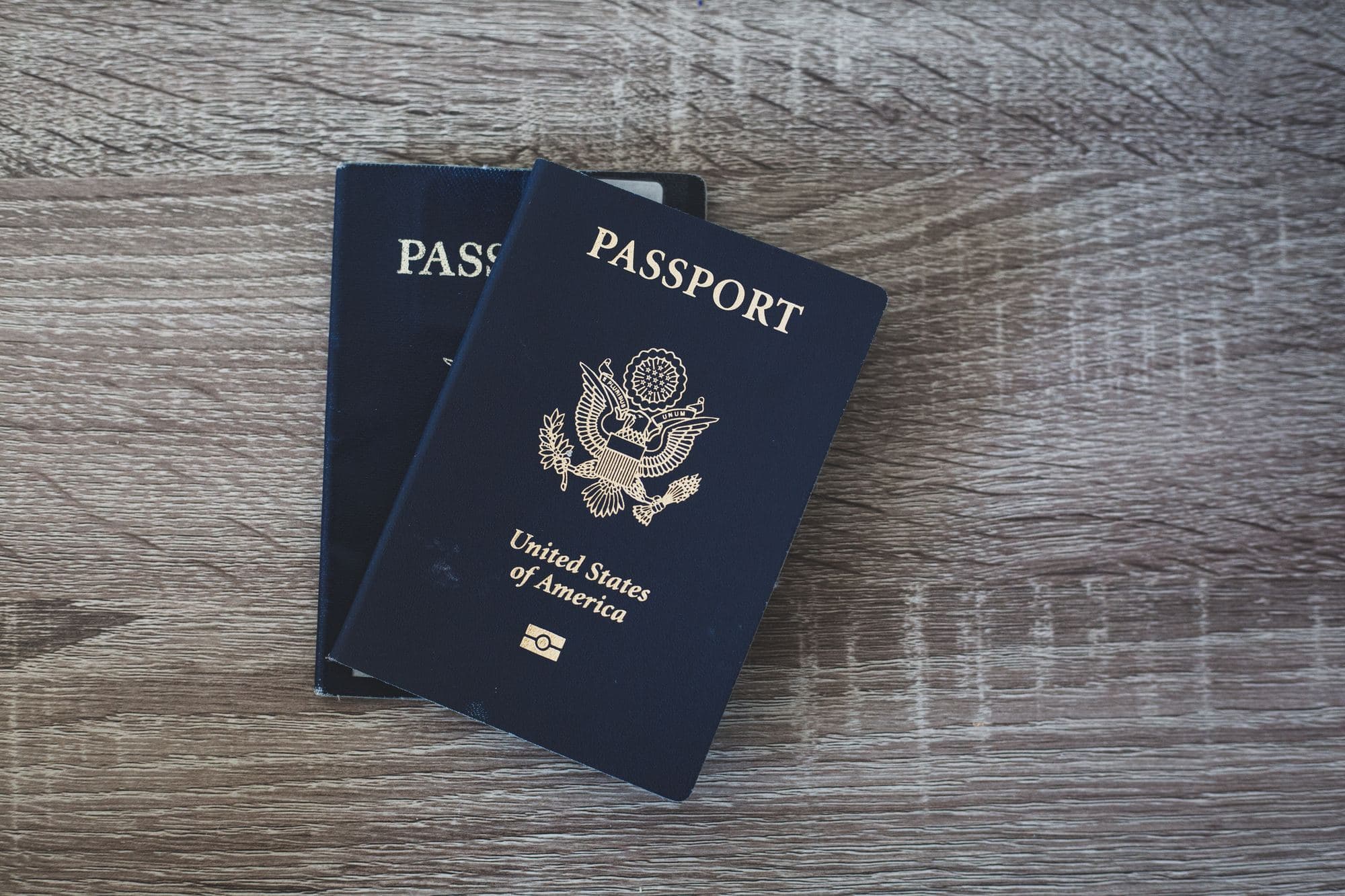
What changes: With the EU Entry/Exit System (EES), passports are no longer stamped at the Schengen external borders. Familieretshuset has set 10 April 2026 as the cut-off date (Documentation of legal stay). For entries or exits after that date:
- Visa-required citizens: visa sticker plus a printout of the data page and the result page of the EES visa calculator plus plane tickets or boarding passes.
- Visa-exempt citizens: a printout of both pages of the EES visa calculator plus plane tickets or boarding passes.
- Not yet entered: the printout for the intended stay, with the visa sticker if a visa is required.
- Residence permit from a Schengen state: enough on its own.
What it means for you: The entry stamp only counts for trips before 10 April 2026. Travellers with an EU, EEA or Swiss passport need none of this proof. Our guide EES proof for your wedding explains step by step what to print.
20 February 2026: Copenhagen, more ceremonies and 40 % for residents
What changes: The responsible committee of the City of Copenhagen decided to raise the number of ceremonies to 10,000 a year, with ceremonies on all weekdays and on Saturdays. 40 % of slots are reserved for couples where at least one partner lives in the Municipality of Copenhagen; this rule has applied since 24 October 2025 (committee meeting of 20 February 2026).
What it means for you: Couples who do not live in Copenhagen share the remaining slots. The city itself states a wait of up to four months (City Hall Wedding). If you are flexible on timing, compare other municipalities before applying; their rules for couples from abroad are on our page Wedding venues and rules in Denmark, and Copenhagen in detail on Getting married in Copenhagen.
1 January 2026: the fee stays at DKK 2,100
What changes: Nothing, and that is the news. On 26 November 2025 Familieretshuset published its fees for 2026: the application for the prøvelsesattest still costs DKK 2,100, unchanged from 2025 (fees for 2026).
What it means for you: Budget DKK 2,100, about €281, per couple. You pay when you submit the application, and Familieretshuset does not refund the fee. If both parts of the application do not arrive within 14 days, Familieretshuset closes the case, and you have to apply and pay again. All costs compared are in our guide Costs in 2026.
August 2025: town-hall ceremony free of charge
What changes: A legal review by the City of Copenhagen found no basis for charging a fee for ceremonies at the town hall or at other places chosen by the municipality. Only the actual extra costs of a ceremony that the couple wants outside the town hall may be charged. Copenhagen changed its practice and has to refund fees that were charged without a legal basis (committee meeting of 14 August 2025).
What it means for you: The ceremony at the town hall costs you nothing. Costs only arise for a place of your choice outside the town hall. At the same meeting, the Copenhagen committee decided to ask the responsible ministers for a change in the law so that municipalities could charge foreign couples again. This has been debated politically since. Nothing has been decided, and we found no bill when we checked on 3 November 2026.
15 May 2025: Familieretshuset advises checking the municipality first
What changes: Familieretshuset reported a high number of requests to change the municipality after the approval had been issued. It advises checking which municipalities still give out dates before applying (notice of 15 May 2025).
What it means for you: The approval applies to the municipality named in your application. If it has no date within the four months, only Familieretshuset can forward the approval to another municipality; you do not need a new application for that. Your options are explained in our guide Approved but no wedding date, and we handle the switch as a change of municipality.
30 March 2025: Bangladesh, like Pakistan since 2023
What changes: Bangladesh has been a member of the Apostille Convention since 30 March 2025, Pakistan since 9 March 2023. Denmark objected to both accessions, on 24 January 2025 and 2 January 2023. The Convention therefore does not apply between Denmark and these countries, and no Danish mission can legalise their documents (Udenrigsministeriet).
What it means for you: An apostille from Pakistan or Bangladesh is not enough for Denmark. Familieretshuset decides case by case whether it accepts the documents. More in our guide Partner from Pakistan.
25 September 2024: German Federal Court of Justice, online wedding from Germany invalid
What changes: Germany's Federal Court of Justice (BGH) ruled that a marriage concluded by video call before an authority in Utah, while the partners were in Germany, is invalid. Anyone who makes their declaration in Germany must follow the German form: in person and at the same time before the registrar (press release no. 226/2024).
What it means for you: The decision dates from 2024 but shapes the choice of many binational couples in 2026. In Denmark, you both say "I do" in person before the registrar, in the country of the ceremony. Our guide Online wedding in Utah or Denmark compares both routes.
Current status: processing times at Familieretshuset
Not a change, but the question we are asked most often. According to Familieretshuset (Sagsbehandlingstider, as of 3 November 2026):
- Complete applications: approval usually within 5 working days.
- After a request for more documents: Familieretshuset is currently working on cases received in August 2026.
- Both parts of the application must arrive within 14 days of starting it.
What triggers a request for more documents and how to respond is explained in our guide Request for documents or refusal from Familieretshuset.
What has not changed, even if the internet often says otherwise
- No certificate of no impediment: Denmark does not require one; Familieretshuset checks the conditions for marriage itself (Marrying without a certificate of no impediment).
- Certificate of marital status only if needed: Familieretshuset only asks for one if it sees a specific need in your case. Otherwise you declare with your signature, under criminal liability, that you are unmarried (Ægteskabsbetingelser).
- Your own birth certificates: Only the birth certificates of joint children are required (Getting married without a birth certificate).
- Four months' validity: The approval is valid for four months from issue, shorter if a passport or residence permit expires earlier (Ansøg om prøvelsesattest; more in our guide Prøvelsesattest).
- No same-day wedding: Familieretshuset checks first, then the municipality gives out the date.
How we keep this page up to date
We only add a change once an authority has published it; newspaper reports alone are not enough for us. We check Familieretshuset's pages, the treaty register of the Apostille Convention, the pages of the Danish Ministry of Foreign Affairs and the decisions and pages of the municipalities. Every change gets a date and a source; we deliberately do not list individual municipalities' dates here.
Last checked: 3 November 2026. If you have noticed a change that is missing here, write to us via the contact page. Whether the current rules fit your case is shown by our free eligibility check.