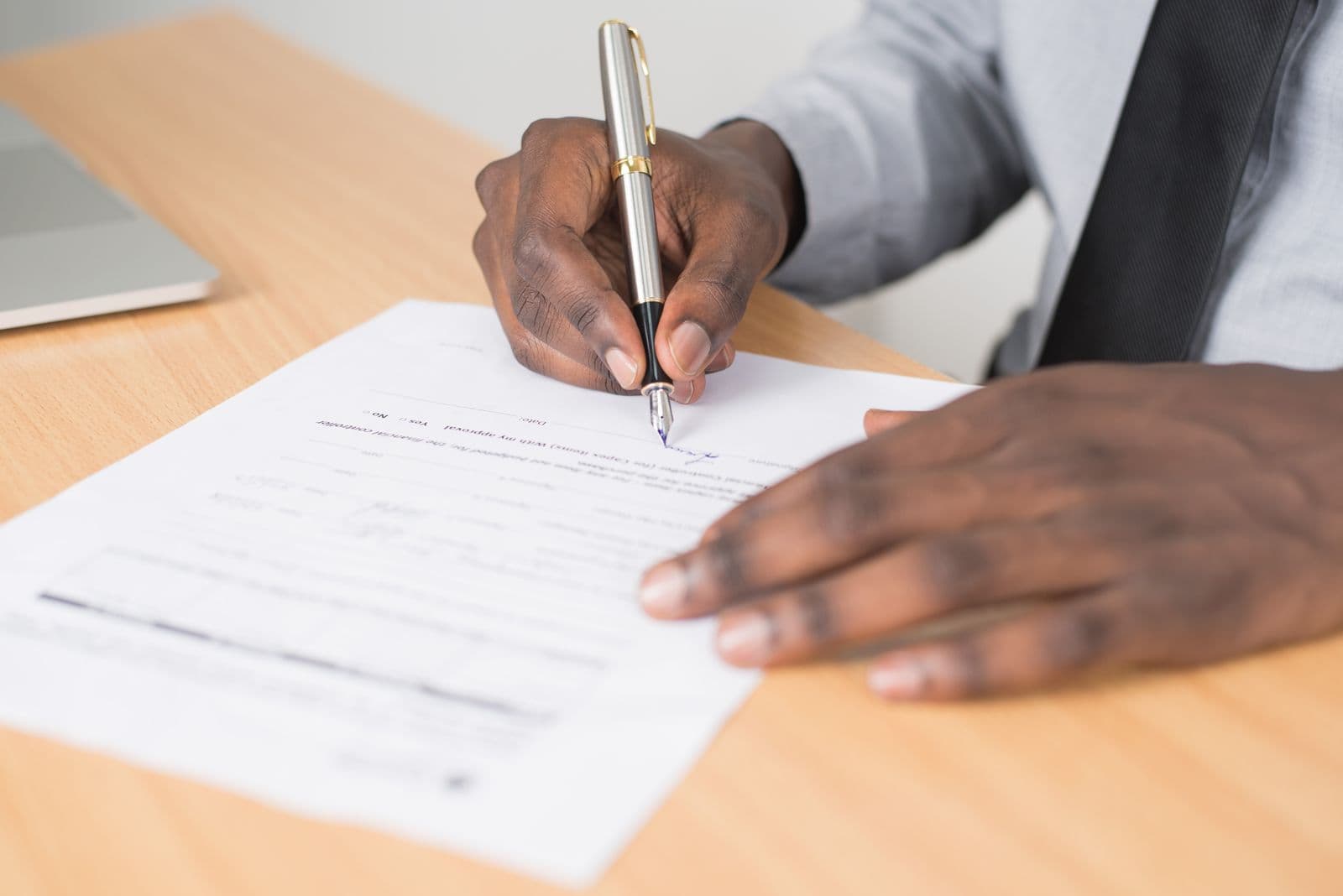

Search for "marry fast without a certificate of no impediment" and you'll mostly find Las Vegas, Gibraltar or Hong Kong. The simplest answer is right across the German border: Denmark doesn't require the certificate, and the marriage is recognised in Germany.
Why the certificate of no impediment blocks so many marriages
The certificate of no impediment (German: Ehefähigkeitszeugnis) is a confirmation from your home state that nothing under its law stands in the way of the planned marriage: of age, not currently married, no other impediments. § 1309 BGB requires this document from foreign partners who want to marry in Germany.
The problem: a large share of countries worldwide simply don't issue such a certificate because their law doesn't know the concept. Couples with a partner from the USA, India or the Philippines experience the same moment at the German registry office: "certificate not obtainable" doesn't mean "waived", it starts an exemption procedure at the Higher Regional Court.
These countries don't issue a certificate of no impediment
The Higher Regional Courts maintain country directories, best known is the "Cologne list" of the OLG Köln, and without the certificate the German route runs through the OLG exemption procedure. Among the countries that don't issue a certificate within the meaning of German law:
- the USA and Canada: there is no central civil-status authority and no such certificate; in the exemption procedure, US citizens give, among other things, a sworn declaration on their marital status, but the exemption itself is still required;
- India, the Philippines, Vietnam and Thailand: only single-status or civil-status documents exist here, which usually don't meet the German requirements;
- Australia and many African and Latin American states, such as Nigeria, Ghana, Kenya or Brazil.
The German detour: exemption through the Higher Regional Court
If the certificate is not obtainable, the president of the competent Higher Regional Court can grant an exemption (§ 1309 (2) BGB). The application runs via the registry office, which submits the complete documents of both partners. The court then reviews itself whether an impediment exists under the home country's law.
In practice that means: single-status proofs, birth certificates, sometimes additional confirmations from the home country, all with apostille or legalisation and certified translation. Every follow-up request restarts the procurement. All in all, the route via registry office and Higher Regional Court often takes 6–12 months.
Why Denmark doesn't require a certificate of no impediment
Danish marriage law simply doesn't know the concept of a "certificate from the home country". Instead, a central authority, the Familieretshuset, reviews both partners' freedom to marry directly: based on passport, civil-status proof (at most 4 months old) and, depending on the case, divorce or death certificates. Partners without an EU, EEA or Swiss passport also prove their lawful stay in Denmark, for example with a visa or residence permit (more in our guide Marrying on a Schengen visa).
If the documents are complete, it issues the marriageability certificate (prøvelsesattest), the basis for the ceremony in any Danish municipality. Processing time: with complete documents currently often a few working days (as of September 2026).
This is not a loophole but regular Danish law that international couples have used for decades. The review is no formality either: the Familieretshuset can refuse if documents are missing or doubts about the freedom to marry exist, it simply reviews itself instead of demanding a document that doesn't exist in your country. The review follows Danish law. Familieretshuset does not separately check whether you may also marry under your home country's law, for example after a foreign divorce; for the validity of the marriage in Germany, however, each partner's home-country law counts (Art. 13 EGBGB).
Denmark, Las Vegas or Gibraltar compared
All three destinations allow a legal marriage without a certificate of no impediment, and all three marriages can be recognised in Germany. The difference lies in travel, plannability and above all the paperwork after the ceremony:
| Criterion | Denmark | Las Vegas | Gibraltar |
|---|---|---|---|
| Travel from DACH | Car, train or about 1 hr flight | about 11–12 hrs flight + ESTA | Flight, usually via Málaga |
| Certificate of no impediment needed? | No, Familieretshuset reviews directly | No | No, sworn declaration on site |
| Lead time | usually 3–6 weeks (depending on the municipality), application digital from home | Licence on site, hardly any pre-check | Registration on site, documents in English |
| Government/base costs (rough, excl. travel) | AFL fee DKK 2,100 (about €281), town-hall ceremony free | Licence approx. $100 + chapel + apostille service (often $200–400) | Fees + translations, usually an agency needed |
| Proof for German authorities | Multilingual EU certificate, generally no apostille (EU Reg. 2016/1191) | Apostille (Nevada) + certified translation | Apostille + certified translation |
| Effort after the ceremony | Low | High | Medium to high |
To put it in context: if you're planning a US trip anyway, you can validly marry in Las Vegas, and Gibraltar and Hong Kong are established routes too.
For couples from Germany, Austria and Switzerland, the long-haul destinations come with a second act after the trip home: obtaining the apostille abroad, getting translations, filing with the registry office. Denmark is the only one of these destinations that is an EU neighbour, whose certificate comes in several languages and whose marriageability review is completed digitally before you travel.
How to marry in Denmark without a certificate of no impediment
Check eligibility
Free: our eligibility check clarifies in three short steps which documents your case needs and whether there are special aspects (divorce, third-country documents, visa).
Gather documents
Passport, civil-status proof (at most 4 months old), depending on the case a divorce or death certificate, and for non-EU partners proof of lawful stay. Third-country documents: apostille first, then certified translation.
Application to Familieretshuset
Submit digitally, pay the AFL fee of DKK 2,100 (about €281) per couple. No certificate of no impediment, no court exemption.
Wait for the review
Familieretshuset currently often decides complete applications within a few working days (as of September 2026) and issues the marriageability certificate (valid 4 months).
Book a date and get married
Choose a municipality (e.g. Copenhagen, Tønder, Ærø), travel, marry. A 1–2 day stay is enough, the town-hall ceremony is free of charge.
The Danish marriage certificate is issued in several languages (incl. German and English) and, as an EU document, generally needs no apostille for German authorities (EU Regulation 2016/1191). The optional registration in the German marriage register is sensible but not mandatory: the marriage is valid from the day of the ceremony. The marriage does not automatically create a right of residence; that requires family reunification. And whether the partner's home country registers the marriage depends on its law.