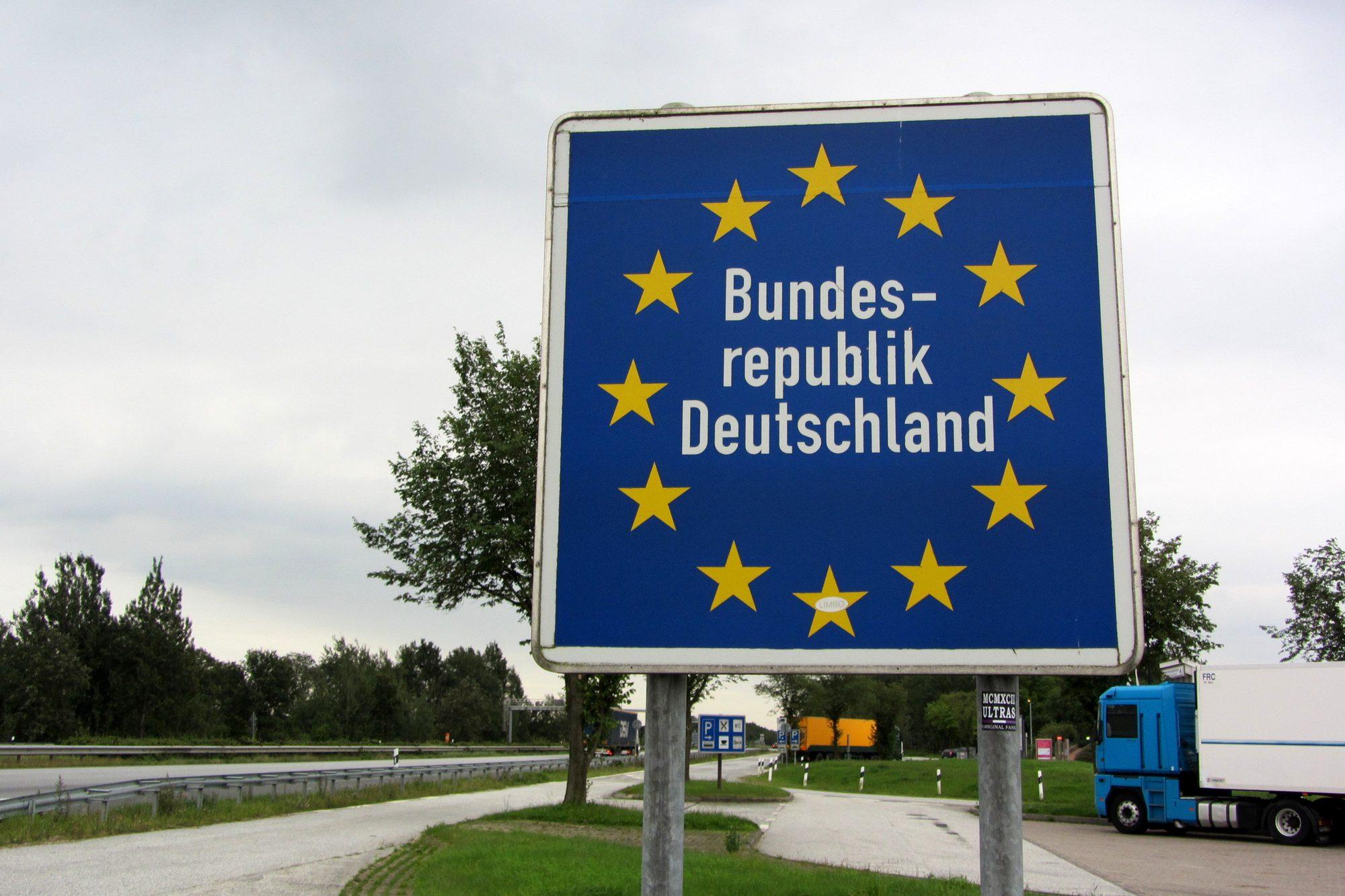

If one of you is Danish and the other is from outside the EU, you can move to Germany together and rely on EU free movement law there: the German Residence Act (AufenthG) then does not apply to you; the Freedom of Movement Act/EU (FreizügG/EU) does. The spouse has a right of residence if the Danish partner works in Germany, is self-employed there or has sufficient means with health insurance; the visa is free of charge, and the law names no proof of language skills. If you later move back to Denmark together, you can apply to SIRI for family reunification under EU rules (as of 8 November 2026).
This guide is for couples in which one partner is a Danish citizen and the other comes from a country outside the EU, the EEA and Switzerland. On the Danish authorities' website nyidanmark.dk, the route is called “familiesammenføring efter EU-reglerne” (family reunification under EU rules). It is based on EU law and has clear conditions. We explain the official rules; whether they are met in your case is for the authorities to decide. How family reunification with a German partner works is covered in the guide Family reunification after the wedding in Denmark.
Why does EU law apply to Danes in Germany?
The EU Free Movement Directive applies to EU citizens who move to or reside in a member state other than the one whose nationality they hold, and to their family members who accompany or join them (Directive 2004/38/EC, Art. 3). Germany implements it in the Freedom of Movement Act/EU. EU citizens within the meaning of this Act are nationals of other EU states who are not German (§ 1 FreizügG/EU).
Three things follow from this:
- A Dane in Germany is an EU citizen within the meaning of the Act. A spouse from outside the EU joins them under EU law, not under the Residence Act.
- A Dane in Denmark falls under the Danish rules. If they have never lived in another EU country, there is, according to SIRI, as a rule no residence document under EU rules; the application then follows the Danish Aliens Act and is handled by the Danish Immigration Service (Udlændingestyrelsen).
- Anyone who also holds German citizenship counts as German in Germany and is not an EU citizen within the meaning of the Freedom of Movement Act/EU.
Who counts as a family member?
German law and the Danish authority draw the line in a similar way, but not identically:
| Person | In Germany (FreizügG/EU) | On return to Denmark (SIRI) |
|---|---|---|
| Spouse | Family member with their own right to join | Family member under EU rules |
| Registered partner | Family member | treated the same as a spouse |
| Unmarried partner | “close person” (nahestehende Person): right of residence only on application and after an assessment of the circumstances (§ 3a FreizügG/EU) | treated the same in an established relationship, as a rule after 18 to 24 months of documented cohabitation at a shared address |
| Children | under 21 or dependent | under 21, with a separate application for each child |
The difference is significant: in Germany a spouse has a right to join, while an unmarried partner only has an application that is decided at the authority's discretion. If you intend to marry anyway, that is a good reason to do it before the move.
In Denmark this is possible without Danish residence. If one of you is a citizen of a country outside Europe and the EEA, you need approval from Familieretshuset before the ceremony, the Prøvelsesattest; the fee is DKK 2,100, about €281 (Familieretshuset: Ansøg om prøvelsesattest). Both of you must be allowed to enter and stay in Denmark lawfully, and Familieretshuset expressly advises Danes to familiarise themselves with the family reunification rules of the Danish Aliens Act before marrying a partner from outside the EU (Familieretshuset: I er statsborgere uden for Europa/EØS). How this works is explained in the guides Getting married in Denmark without residence and Prøvelsesattest explained; which papers count as proof of lawful stay is shown in Residence papers for marrying in Denmark.
What conditions apply in Germany?
The spouse's right of residence depends on the Danish partner's right of residence. Under § 2 Abs. 2 FreizügG/EU, those entitled to free movement include:
- workers and EU citizens in vocational training,
- jobseekers, for up to six months, and beyond that only as long as they keep looking and have a well-founded prospect of being hired,
- self-employed persons who establish themselves in Germany,
- persons who are not economically active, if they have sufficient health insurance cover and sufficient means of subsistence; this also applies to their family members (§ 4 FreizügG/EU).
If the Danish partner studies in Germany, only the spouse, the registered partner and dependent children have a derived right under § 4. Family members have the right if they accompany or join the EU citizen.
Living in Germany, working in Denmark
For workers, the Directive looks at work in the host member state (Directive 2004/38/EC, Art. 7). If you live in Germany and work in Denmark, you therefore need sufficient means of subsistence and health insurance cover in Germany. SIRI also states that work in Denmark during the stay in the other EU country generally does not establish worker status there; the income can, however, count as sufficient means. State the correct basis in your later application.
No proof of German, but the marriage is checked
The rule that a joining spouse must be able to communicate in German at least at a basic level is in the Residence Act (§ 30 AufenthG). For EU citizens and their families, the Residence Act only applies in the parts listed in § 11 FreizügG/EU, and § 30 is not one of them. What is checked, however, is whether the family is genuine: the right of residence can be denied if someone uses forged documents or misrepresents facts, or if the partner does not join in order to actually live together as a family (§ 2 Abs. 4 FreizügG/EU). The Directive expressly names marriages of convenience as abuse (Art. 35). What the authorities look for in a relationship is covered in the guide Proof of relationship and the sham marriage check.
How family reunification in Germany works
- Set up your home and your basis. The Danish partner moves to Germany, starts working there or secures means and health insurance, and registers with the local registration office (Meldebehörde) within two weeks of moving in (§ 17 BMG).
- Visa for the partner. Family members who are not EU citizens need a visa to enter, and no fees are charged for issuing it (§ 2a FreizügG/EU). Nationals who may enter Germany without a visa even for longer stays are exempt. Anyone who already holds a residence card as the family member of an EU citizen issued by another EU or EEA state does not need a visa. You apply at the German mission in the partner's country of residence (German Federal Foreign Office); the Directive requires an accelerated procedure (Art. 5(2)).
- Registration and residence card. After entering, the partner registers as well. The immigration office (Ausländerbehörde) issues the residence card for family members of EU citizens ex officio within six months after you have provided the required information; it is meant to be valid for five years, and you receive a certificate confirming that the information was provided straight away (§ 5 FreizügG/EU). The authority may require you to substantiate, three months after entry, that the conditions are met.
- After five years. Family members who have resided lawfully and continuously in Germany with the EU citizen for five years have a right of permanent residence (§ 4a FreizügG/EU).
Which version of your marriage certificate the mission requires for the visa is stated on its own website. The Danish certificate is multilingual; whether a marriage from Denmark is valid in Germany is explained in the guide Recognition of a Danish marriage in Germany.
Back to Denmark: family reunification under EU rules
When the Danish partner returns, the spouse can apply for a residence document under EU rules to SIRI, the Danish Agency for International Recruitment and Integration. According to nyidanmark.dk (last updated 4 August 2026), these conditions apply:
- Genuine residence in the other EU country: The Danish partner must have established actual and genuine residence there, in other words must really have moved. There is no minimum period, but a stay of a certain length is normally needed. For longer stays, the evidence can be limited to the last 6 months before the return.
- Basis there: as a worker, self-employed person, student at a recognised or publicly funded institution, or with sufficient means.
- Family life together there: You must have lived together in the other EU country for a period of time, and SIRI looks in particular at the most recent period before the move. A residence permit there is not a condition, but it is part of the overall assessment.
- Connection in time: The Danish partner must keep their basis until the return. If the spouse follows later or applies later, SIRI checks whether family life was interrupted. A short visit to Denmark does not yet count as a return.
- Genuine relationship and lawful entry: You sign a declaration, subject to criminal liability, that your relationship is genuine, and the partner must have entered Denmark lawfully.
| Item | According to SIRI (as of 4 August 2026) |
|---|---|
| Form | OD2A-C, online; each of you fills in your own part |
| Fee | none |
| Processing time | normally 3 months, up to 4 months if information is missing |
| Identity | ID check and biometrics at SIRI in Denmark or at a Danish mission abroad |
| During processing | stay permitted; work permitted if the conditions are met, at your own risk |
| Validity | The document has no expiry date as long as the basis exists; if the family relationship ends, a new basis is needed |
Special rules apply to a stay in the United Kingdom because of Brexit: there, the Danish partner must have established their residence by 31 December 2020.
Common mistakes on the EU route
- Moving only on paper. According to SIRI, a hotel room or a family visit is not genuine residence.
- Stating the wrong basis. Anyone who lives in Germany and works in Denmark is not a worker in Germany; the form must state the correct basis.
- Returning separately. If the spouse travels to Denmark considerably later, SIRI checks whether your family life was interrupted.
- Losing the basis before the return. If the Danish partner had no basis in the other EU country for a period of time, according to SIRI they generally no longer fall under the EU rules.
- Incomplete or unnamed evidence. It prolongs processing or is not taken into account; documents in other languages may have to be translated, see the guide on certified translations.
We help with the wedding in Denmark: with the Essential package for €249.99 you get guidance, a pre-check and WhatsApp support and submit the application to Familieretshuset yourselves; with the Complete package for €649.99 we take over the application, the communication with the authorities and coordinating the date with the municipality, Familieretshuset's fee included. All services are listed on the prices page, and the free eligibility check shows whether your case fits. You file the applications in Germany and with SIRI yourselves. This overview is not legal advice; if your case depends on details such as income, self-employment or an earlier refusal, get advice from an immigration lawyer.